ABC interview with our tutor Dr. Fiona Campbell
You can hear one of our wonderful tutors, Dr Fiona Campbell, in an ABC interview discussing her own Artistic practice based on Anthroposophical principles.

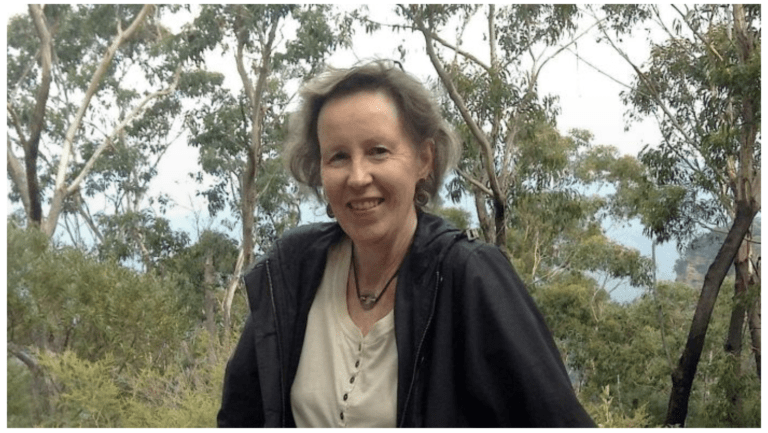
You can hear one of our wonderful tutors, Dr Fiona Campbell, in an ABC interview discussing her own Artistic practice based on Anthroposophical principles.
A special set of video clips of our Tutors in action
Available now till the end of August
Watch ONE or all FOUR – max 30 mins each
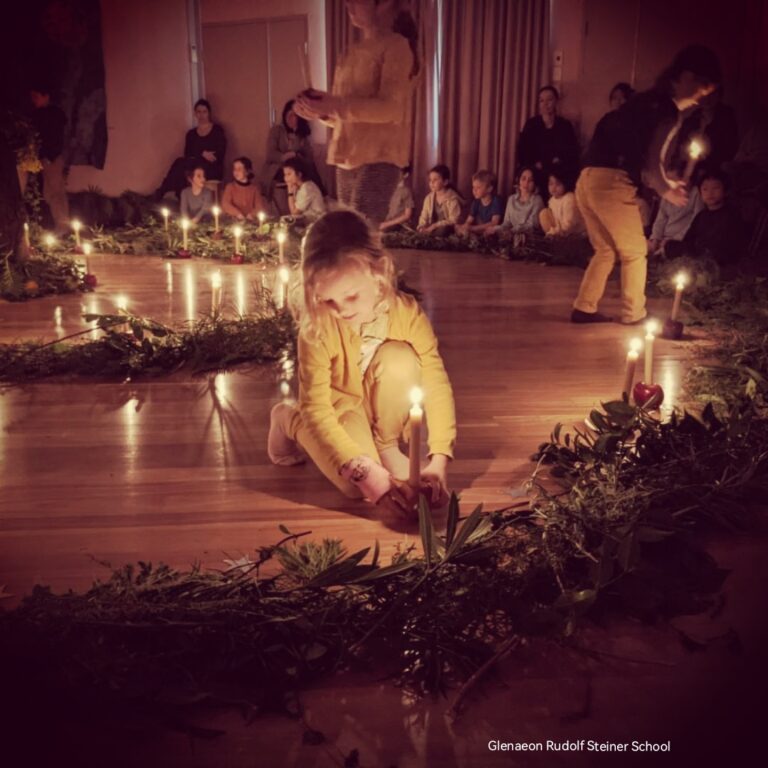
Steiner education has foundations in Steiner’s vision of anthroposophy, in particular his understanding of child development. Steiner viewed human maturation as a metamorphosis of awakening. The process of growing up evolves from the ‘sleep of infancy’, to the ‘dream of childhood’, the ‘lighting-up of adolescence’ to the ‘responsible thinking of the adult’. The curriculum and…
In 1924, Rudolf Steiner defined anthroposophy as ‘… a path of knowledge, which intends to lead what is spiritual in the human being to what is spiritual in the universe’. Anthroposophy is fundamentally a study of the human being, our nature, development and task. The lens that Rudolf Steiner gives us is the view that…
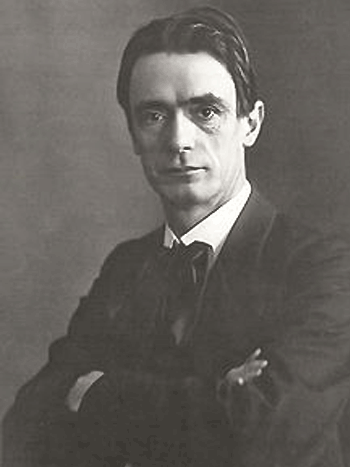
All over the world anthroposophic initiatives have been founded which acknowledge a special debt to Rudolf Steiner. These initiatives are wide-ranging and include schools, communities for people with disabilities, biodynamic farms, medical clinics, architectural practises and enterprises. Rudolf Steiner was born in Kraljevec (then in Austria, now in Croatia) in 1861, and died in Dornach, Switzerland…
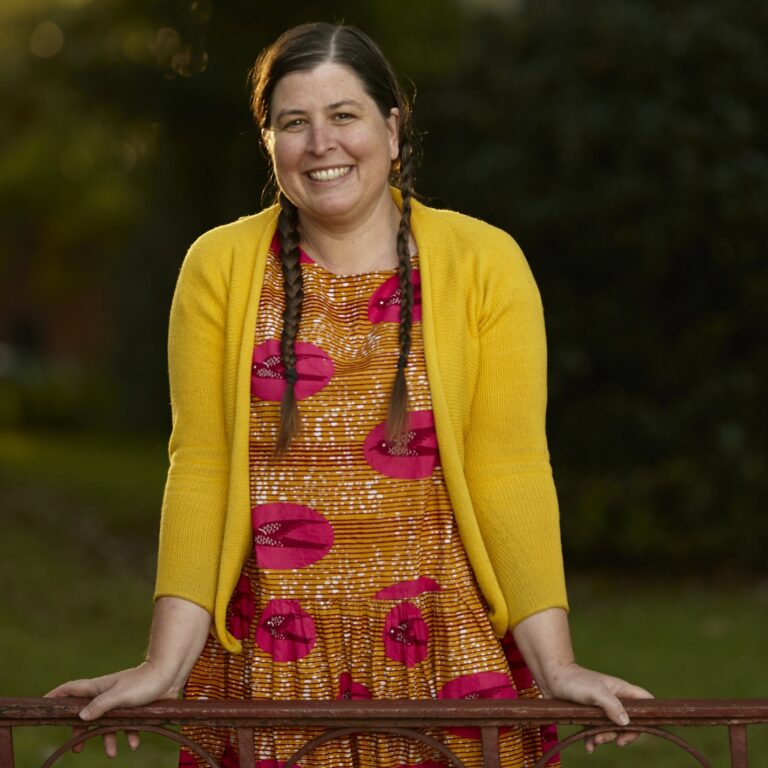
Here Meg Quinlisk talks to us about her own life story and the focus of her upcoming double weekend biography workshop, Explore your Life Story.
Early Childhood course work demonstrated by our wonderful tutors! Enjoy the story!
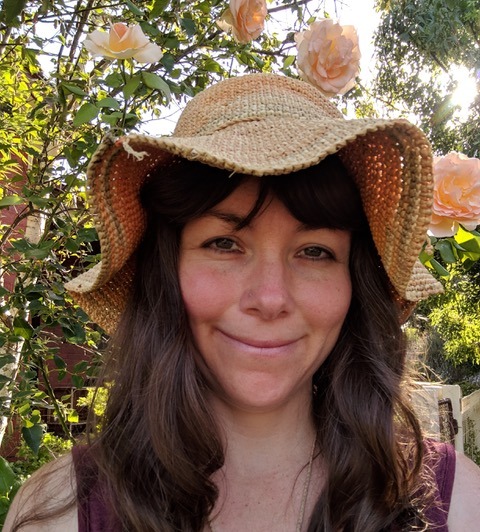
Amanda lives in the charming village of Olinda in the Dandenong Ranges in Victoria. With the Sydney Rudolf Steiner College since 2018, she has already completed the Foundation Course in Rudolf Steiner Early Childhood Education by Distance and is now enrolled in the Certificate Course in Rudolf Steiner Early Childhood Education. Amanda’s dream is to open a Steiner-inspired family day care in Olinda in 2020. Here she talks with the College about her journey so far.

In many ancient cultures, (Hebrew, Persian, Greek and Chinese to name a few) spring cleaning or pre-New Year cleaning are rituals established to cleanse the whole house of undesirable influences and to prepare the house and family for an auspicious future.
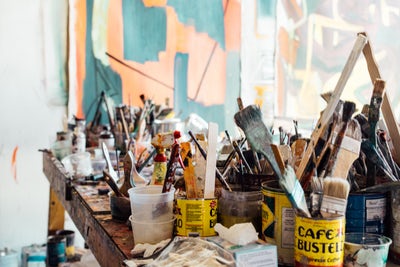
In theory, teachers across Australia know that art education should be an integral part of childrens’ learning. Certainly, in Rudolf Steiner schools there is a strong expectation that childrens’ art making, and creativity will be central to their learning.
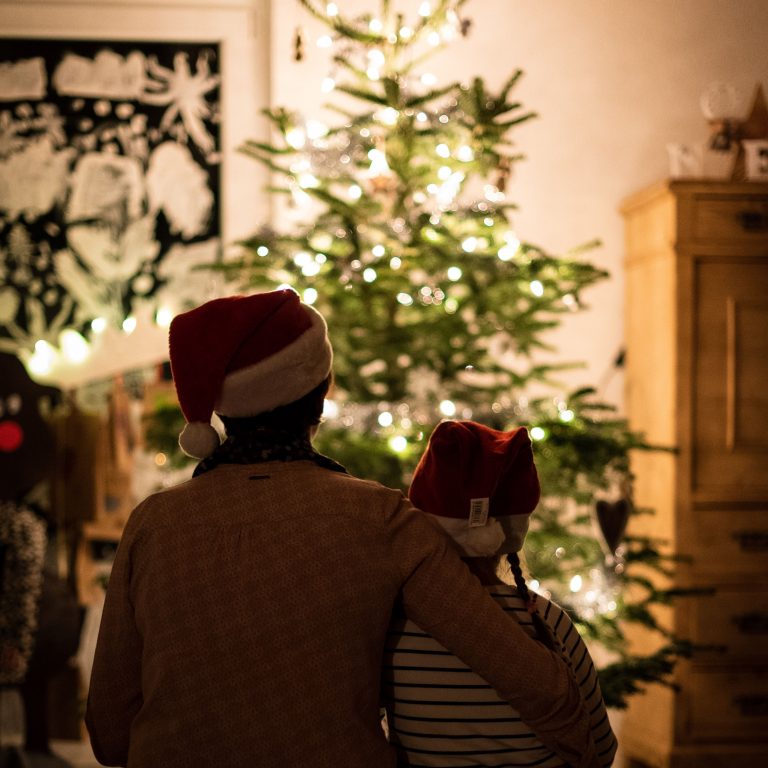
There’s already an increasing intensity in the shopping centres of most towns and cities. Christmas decorations were up in October and the festive hype is certainly noticed by kids and parents too. Is it even possible to duck into the supermarket for a few groceries without kids starting to chime, “What I really want for Christmas this year is… (etc, etc)”?
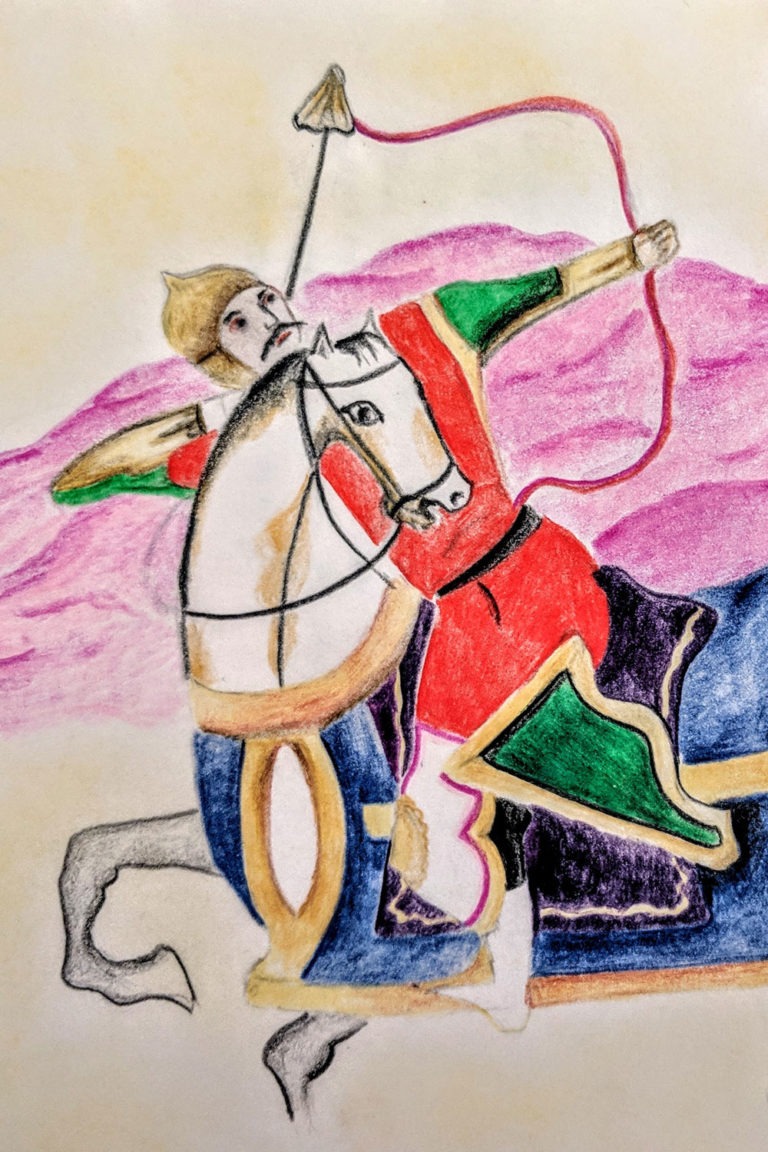
Through the primary and high school years, the mainlesson forms the foundational core of the curriculum – an in-depth study of a subject, usually delivered over a two-hour block every day, that changes every 3-4 weeks. Mainlessons cover ‘core’ subjects such as history, art, literature, science, and maths. Here’s a beautiful window into the Steiner…
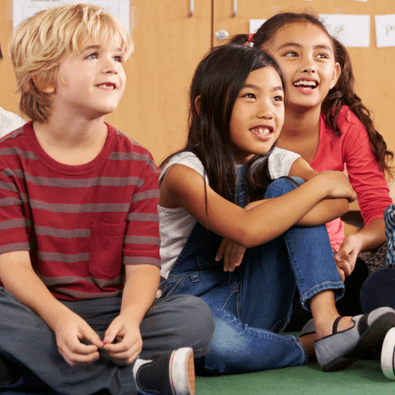
All teachers require positive strategies to manage classroom disruptions and inappropriate classroom behaviours for the optimum learning of all students, and for their own professional development and career satisfaction. Building strong teacher-student relationships is the first step to creating a harmonious classroom atmosphere, increasing engagement and achievement. Positive teacher – student relationships enable students to feel safe and secure in their learning environments and provide scaffolding for important social and academic skills (Baker et al., 2008; O’Connor, Dearing and Collins, 2011; Silver, Measelle, Armstron, & Essex, 2005).
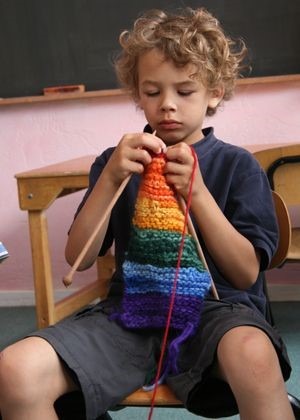
Researchers and educators are slowly awakening to the educational benefits of teaching handcrafts to children, and in particular, knitting.
In the Rudolf Steiner system of education, handcrafts are an essential part of the curriculum and finger knitting is taught to students at age 5-6, with class one (age 7) learning traditional knitting with needles. A knitting project is completed every year in primary school with increasing difficulty –learning to cast on and off, to increase and decrease stitches, and following patterns developed over subsequent years.